
What Are the Best Exterior Wall Panels? Top 5 Options Compared
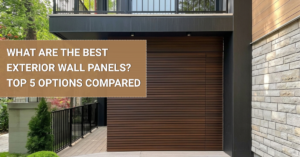
When I’ve worked on different home projects over the years, one thing becomes very clear early on: choosing Exterior wall panels is never just about looks. It’s always a balance between aesthetics, durability, and how the surface will behave over time under real weather conditions. Every decision quietly connects back to long-term maintenance, cost and how the material will age with the building.
In places like UAE, I’ve seen how climate change has started to influence material choices more than ever. Issues like extreme heat, snow, flooding and even wildfires push homeowners to think beyond surface design. That’s where a proper guide to exterior wall panel materials becomes essential, especially when planning home upgrades that are expected to last.
In most projects I’ve handled, the shift always comes back to balancing exterior cladding upgrade goals with practical reality. The right panel system should quietly support the building’s structure, reduce long-term maintenance, and still maintain strong visual identity without constant intervention.
What to Look for: The Ultimate Comparison
Durability
When evaluating exterior wall panels, I’ve found that true durability is tested not in a lab, but by relentless rain, heavy snow and the high temperatures of blistering UV exposure. To maintain structural integrity, fiber cement panels stand out as incredibly resilient options because they naturally shrug off moisture, fire and insect damage.
Maintenance Requirements
Selecting low-maintenance materials is the smartest way for homeowners to save both time and money over the lifespan of their property. While vinyl and fiber cement panels usually only require periodic cleaning to keep them looking fresh, other choices involve more intensive upkeep.
Aesthetics
When tailoring exterior wall panels to your home’s design, creating a visually cohesive look requires more than just matching colors; it’s about surviving extreme weather events. I’ve seen homeowners in Dubai shift toward durable materials that don’t sacrifice aesthetic appeal, like using PVC wall panels on Victorian homes to mimic painted wood in pastel tones or earthy tones.
Insulation and Energy Efficiency
The smart exterior wall panels serve as a vital investment in improving your home’s thermal regulation. In my years on-site, I’ve seen how fiber cement and vinyl panels act as critical barriers, preventing excessive heat absorption and reducing annual energy consumption by up to 20%.
These energy-efficient layers often feature additional insulation or integrated ventilation to maximize indoor comfort, helping to maintain stable temperatures regardless of outdoor temperatures. According to the U.A.E.
Metal or natural wood composite slat panels can significantly reduce heating and cooling costs, as they contribute to long-term savings while improving overall durability. Ultimately, whether you select composite or cement panels, the right insulation will help regulate your indoor efficiency and impact your utility costs for years to come.
Installation and Costs
When weighing the cost of exterior wall panels, your final bill depends largely on your material choice and the specialized labor needed for a precise fit. From my experience on-site, vinyl siding remains the most budget-friendly option, costing roughly $4 to $8 per square foot, though it often yields a lower resale value.
Many homeowners find that fiber cement, priced between 6AED and 12AED, offers a better balance of durability and affordability, though these heavy boards require skilled installation. If you’re looking for excellent longevity to suit various architectural styles, metal options ranging from 10AED to 20AED provide a rugged shield, while composite wood slat is slightly more expensive at 12AED to 18AED.
This easy-to-install outdoor solution enhances both style and durability without requiring extensive upkeep, making its aesthetic versatility, weather resistance and minimal maintenance a worthwhile investment for a modern, functional design.
Comparing the Top Exterior Wall Panel Materials
1. Natural LED Panels (Traditional Elegance , but High Maintenance)
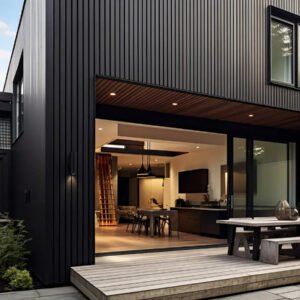
Natural LED panels remain the most traditional and visually appealing option for exterior wall paneling. Having worked on dozens of farmhouse, rustic and craftsman-style homes, I’ve seen how this warm aesthetic instantly enhances curb appeal in both mid-century modern and Scandinavian designs.
Whether you choose cedar, redwood, or pine, these different species offer unique grain patterns and versatile design options from classic horizontal lap siding to board-and-batten, which adds a contemporary touch.
For a minimalist, sleek linear effect, routed slat boards are a common favorite.
Best For Use
While these lead to higher long-term costs, they are best used for a cottage-style look or to complement industrial-style spaces. In coastal areas, light woods like white oak and ash enhance a breezy, relaxed feel, while dark-stained reclaimed timber adds warmth.
A brief installation guide tip: proper treatment is necessary, and using pressure-treated methods like shiplap is recommended to extend lifespan and enhance appeal against moisture-resistant challenges.
2. Exterior Composite Decorative Panels (Great Value)
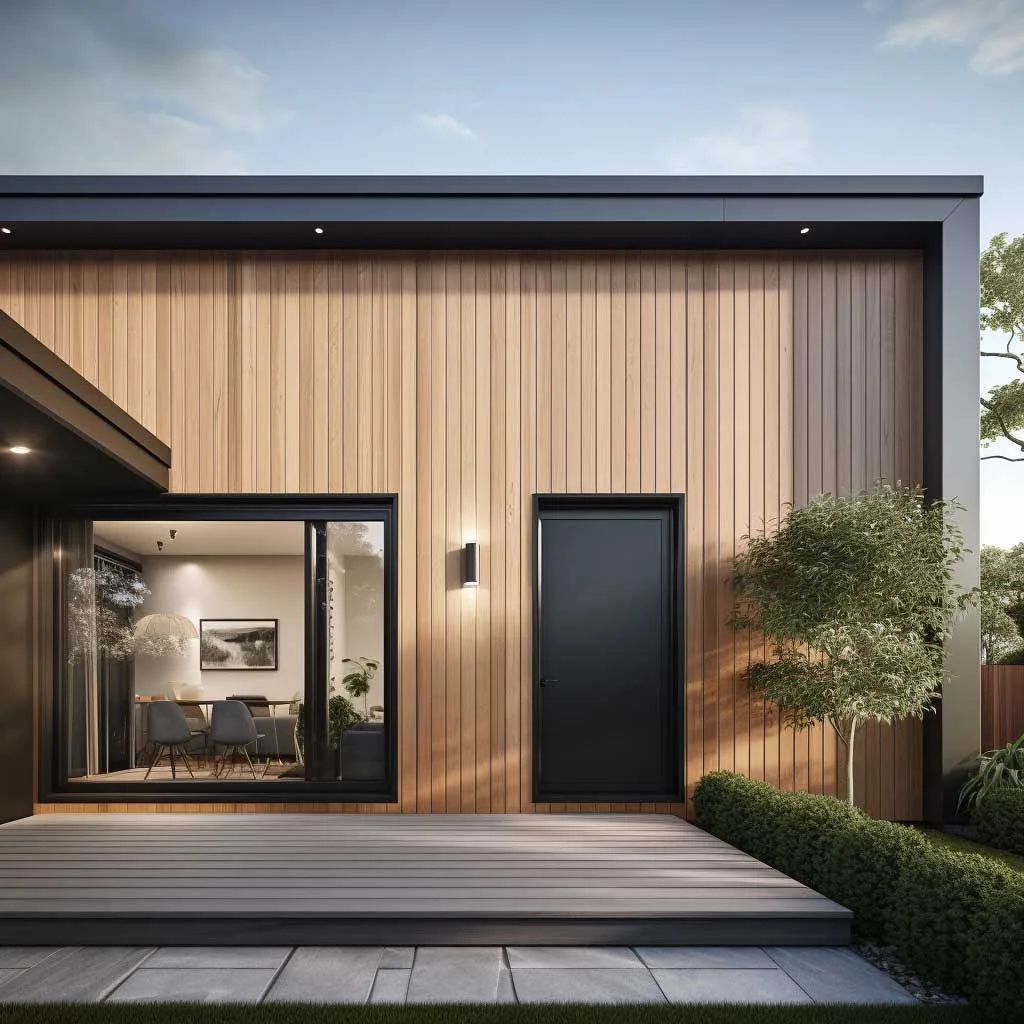
While composite options offer a balance, decorative panels represent a distinct industrial-style exterior solution made from a mixture of sand and cellulose fibers. These manufactured boards offer an extremely durable and low-maintenance facade that can mimic the look of natural wood, stone, or brick while avoiding the heavy upkeep usually associated with those materials.
Best For Use
They are notoriously difficult to cut or modify compared to wood, effectively limiting customization options for commercial buildings or modern homes.
3. WPC Wall Panels (Highly Durable and Fire-Resistant)
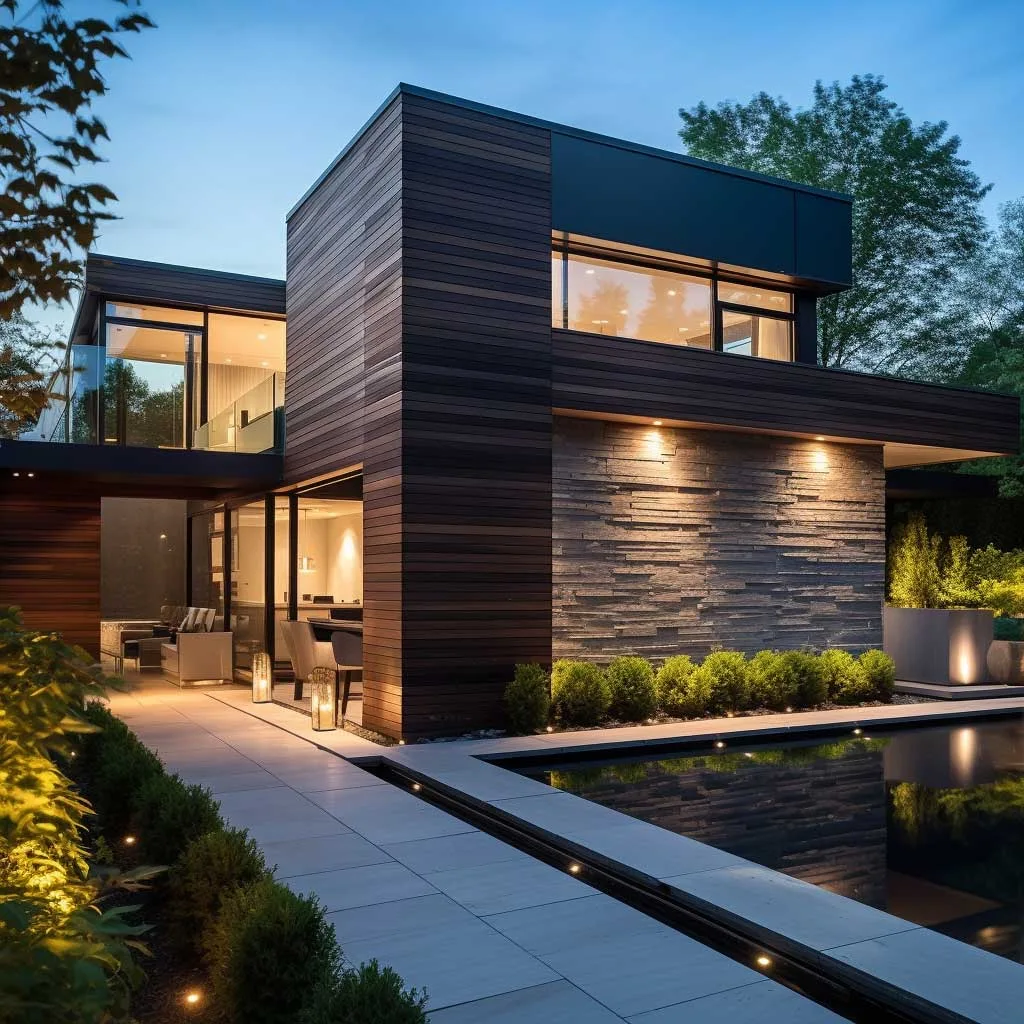
WPC wall panels as the “super-material” of the construction world. By blending cement, sand and cellulose fibers, manufacturers have created an exterior solution that is extremely durable without the constant headache of upkeep.
In my years on-site, I’ve seen this material prove its long-term value time and again.
Best For Use
This isn’t a DIY option, but for modern homes, commercial buildings, or structures in fire-prone regions, it is an excellent investment in longevity.
4. Metal Siding (Modern and Sleek, but Prone to Dents)
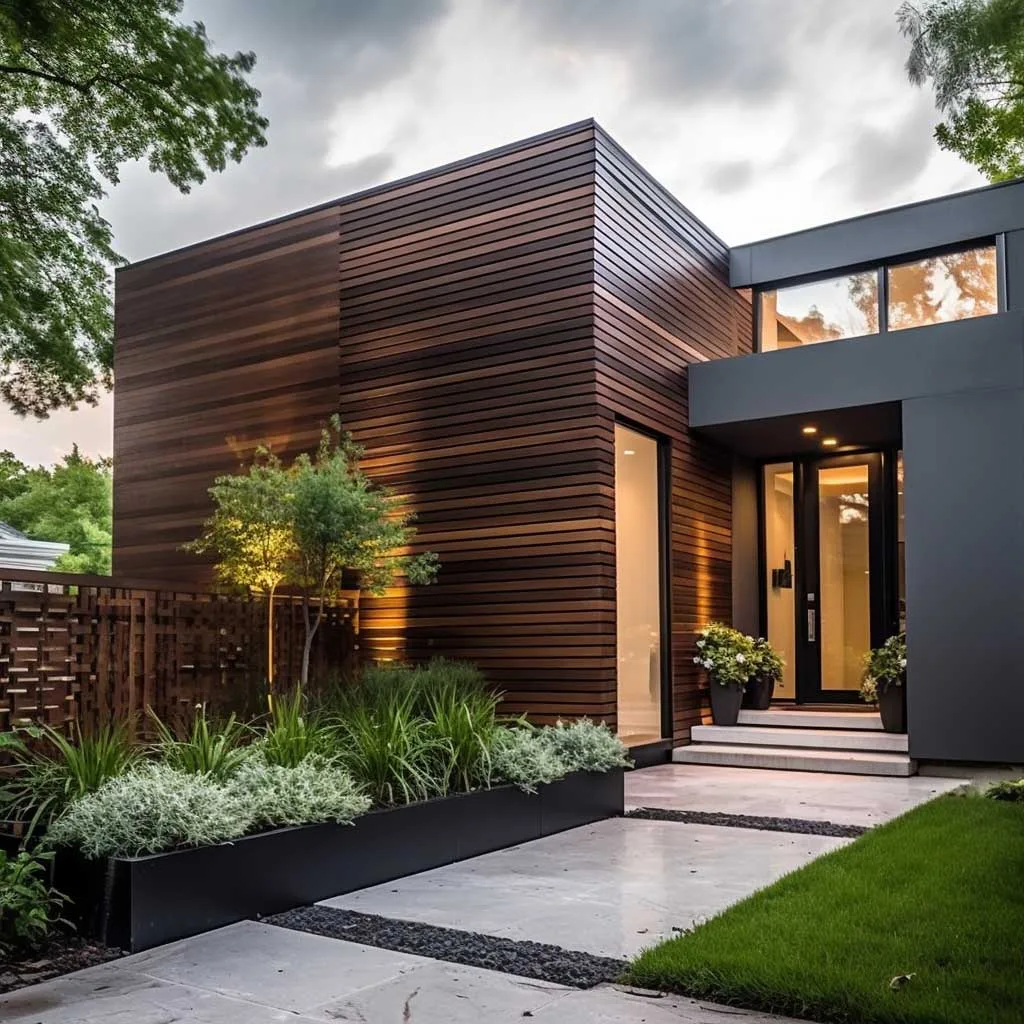
Moving toward a more industrial aesthetic, metal siding typically made of aluminum or steel is known for high durability and the fact that it may require little to no maintenance, as you won’t need repainting or sealing.
How To Use
Since it is not a great insulator, requiring additional insulation layers like spray foam to maintain energy efficiency and better thermal performance is vital. This excellent material works well for ultra-modern and industrial-style homes, offering a highly durable shield in harsh environments.
5. MDF Wall Panels (Budget-Friendly but Less Durable)
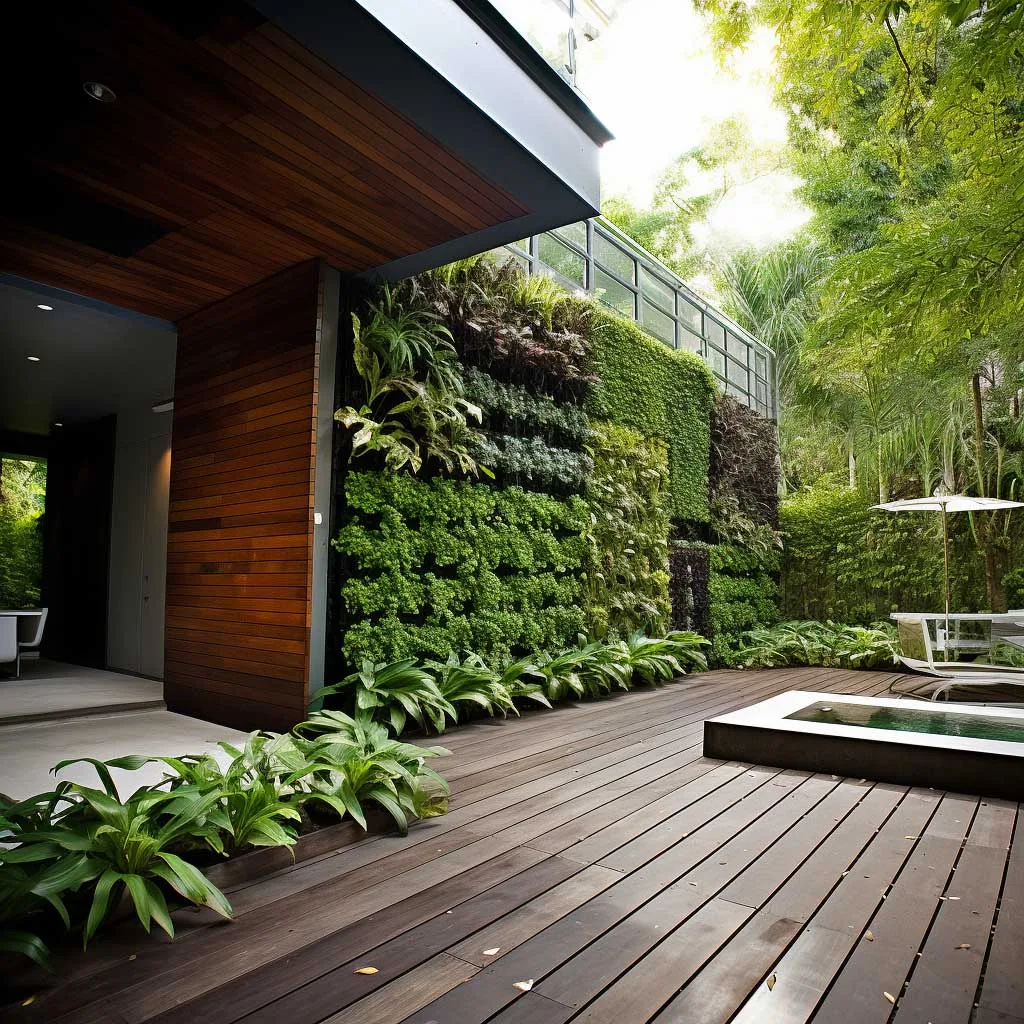
To round out the spectrum of exterior wall panels, MDF panels stand as the most affordable, low-maintenance options available today. Made from PVC, they provide a quick, cost-effective update for any home, with a variety of colors and wood-look finishes that offer versatility to budget-conscious homeowners.
Installation Guidance
During the installing it correctly important: always leave space for expansion and contraction due to temperature fluctuations. Using vinyl-specific fasteners prevents damage, and avoiding high-heat exposure significantly reduces the risk of warping.
Conclusion
Choosing the right exterior wall panels depends on your personal priorities, whether that is durability, low maintenance, or energy efficiency. While natural wood offers a timeless appeal, it requires ongoing upkeep, whereas composite slat options provide a realistic look with far better fire resistance.
In my professional view, stone wall panel is excellent for fire-prone areas and while metal panels suit modern industrial designs, they may require additional insulation. For those seeking a budget friendly option, vinyl is easy to install and maintain, though it does not offer the same longevity as premium materials.
By weighing the benefits and drawbacks, homeowners can make informed decisions that enhance a property’s curb appeal and long-term value. Whether upgrading for personal enjoyment or preparing for resale, selecting the right facade ensures both style and functionality; for a sleek contemporary look with added outdoor resilience, these five remain a top choice.